MyOwn Account
Singapore's first digital bank account built for kids aged 7–15. I owned the go-to-market roadmap that took it from a regulatory grey area to the bank's fastest-growing product, with 80,000+ accounts opened in the first 6 months.
The Product
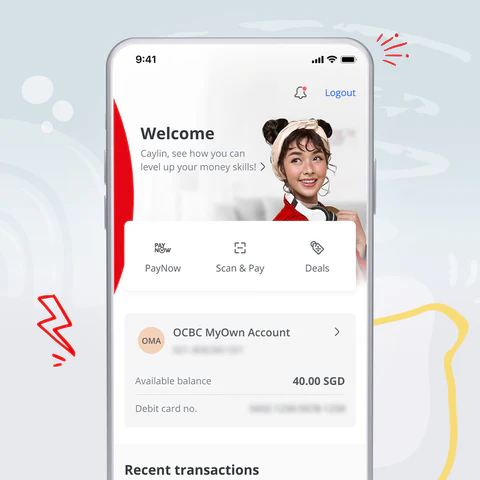
MyOwn Account is a full bank account with a debit card, for kids aged 7 to 15. Inside the OCBC Digital app, the child gets their own simplified version of digital banking where they can check their balance and transactions independently, while the parent gets a linked view with real-time visibility, spend limits, and override control.
There was a gap in our product lineup, and here's what it looked like:
Why Now
Gen Alpha kids are already going digital-first with money, whether or not any bank builds for them.
Most of these kids were already paying digitally, usually with a parent's card or account handed over. MyOwn Account just gives them their own account and card instead, with the visibility and limits so that they can take ownership of their finances without the risk of losing oversight.
Competitive Landscape
There was a blue ocean opportunity here. Here is a benchmark against the strongest youth banking products both locally and among the best in market internationally.
| Feature | MyOwn Account OCBC (ours) |
Junior Savers UOB, Singapore |
First$aver Standard Chartered, Singapore |
Smart Buddy POSB/DBS, Singapore |
Mini Kakao Bank, South Korea |
Kids & Teens Revolut, UK/EU |
|---|---|---|---|---|---|---|
| Account is in the child's own name | ✓ | ✗ | ✗ | ✗ | ✓4 | ✗5 |
| A real bank deposit account (not prepaid/wearable) | ✓ | ✓ | ✓ | ✗3 | ✗4 | ✗5 |
| Debit card, widely accepted (Visa/Mastercard, in-store & online) | ✓ | ✗1 | ✓2 | ✗3 | ✗4 | ✓ |
| Parent controls: spend limits, real-time alerts & freeze | ✓ | ✗1 | ✓2 | ✓ | ✓4 | ✓ |
| Dedicated financial literacy content | ✓ | ✗ | ✗ | ✗3 | ✗4 | ✗5 |
| Feature checks | 5 / 5 | 1 / 5 | 3 / 5 | 1 / 5 | 2 / 5 | 2 / 5 |
Kakao Bank's Mini card comes closest of everything we looked at in age band and in being held in the child's own name, but it's a domestic-only prepaid card, not a deposit account. Revolut's card is well-accepted and available immediately, but by Revolut's own description it's a prepaid card against the parent's account, not a deposit account the child holds in their own name. The prepaid-card fintechs (Greenlight, GoHenry) show the same pattern again. We didn't find another example, anywhere we checked, of a licensed bank giving a 7-year-old a deposit account in their own name, with a fully-accepted debit card, matching parental controls, and dedicated literacy content, inside the same app as the parent.
Customer Journey
Not the marketing funnel — the actual moment the product has to work in. Two profiles share that moment, each with a different job to be done.

The Child
Primary School Student
AboutSpends under Mum's watch today — she hands over her supplementary card for snacks, arcade credit, or bus top-ups, and can see it all afterwards. He's allowed to spend, just never with anything that feels like it's actually his.
Goals
- Feel like the money he's spending is his, even with Mum keeping an eye on it
- Save up toward something of his own, not just spend what's handed to him
- Have his own version of "grown-up" money, not a borrowed card
Pain Points
- Every purchase is really Mum's transaction, not his
- No way to see or track what he's spent or saved himself
- Nothing that feels like it belongs to him, even though he's the one using it
“It's still Mum's money. Not really mine, even when I'm the one spending it.”

The Parent
Parent & Guardian
AboutThe parent whose sign-off any new account for their child would need. Singapore is a conservative market on money and parenting — giving a child money of their own raises real questions for parents and regulators alike, not just a focus-group exercise.
Goals
- Oversight without becoming the approval bottleneck for every purchase
- A way to teach real budgeting before ever handing over an unrestrained card
- The ability to shut everything down instantly if something looks wrong
Pain Points
- Without cash in hand, unsure how their child will actually learn to budget
- Worried about scams the first time their kid pays online alone
- No suitable product existed for this age — a joint account or nothing
“Without cash in hand, how will my child actually learn to budget?”
Positioning & the Big Idea
Early on, the value proposition was pitched to PR agencies around three pillars: the debit card itself, the framing of financial independence, and the parental controls that made it safe enough for a 7-year-old. That's the one-pager below — an early cut of the CVP, before the positioning tightened into what shipped.
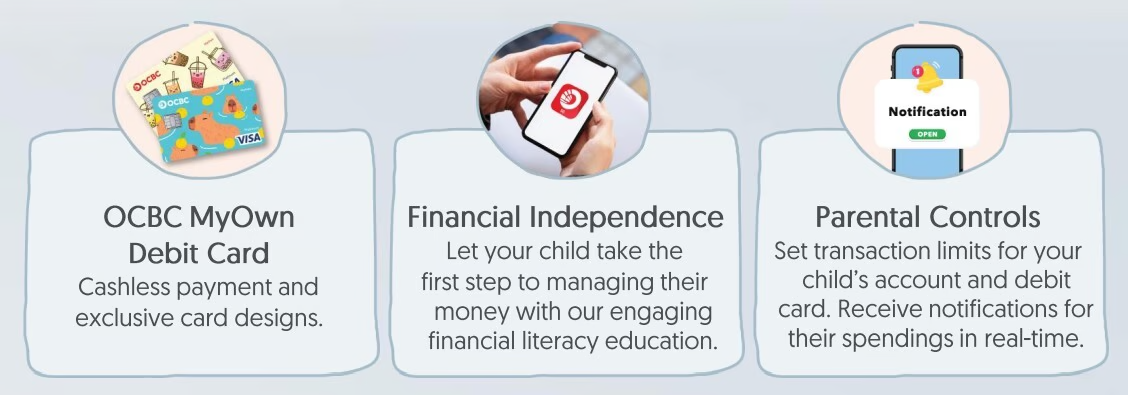
Early CVP one-pager, as pitched to PR agencies pre-launch
The core idea that ended up shipping was simpler: instead of a sub-card tucked inside a parent's account, give the child their own version of the real OCBC Digital app, same brand, just kid-appropriate, with the guardrails visible instead of hidden. That let us position it as teaching kids what a real bank relationship looks like, rather than just handing them spending power.
The tagline moved the same way: from an early, more aspirational direction, "Unlock your child's financial superpowers," to what's live today, "Help your child get smarter about money."
Disney pulled double duty here. Kids needed a reason to actually want the account, and parents needed reassurance that "fun" wasn't code for "shallow." So instead of just lending their characters to card designs, Ralph & Vanellope became the actual vehicle for the literacy content: comics and activity sheets that went out in-app and to 110 secondary schools.
GTM Channel Mix
A multi-channel launch weighted to reach parents (the decision-maker) and kids (the end user) at once.
Disney, 5-yr collab
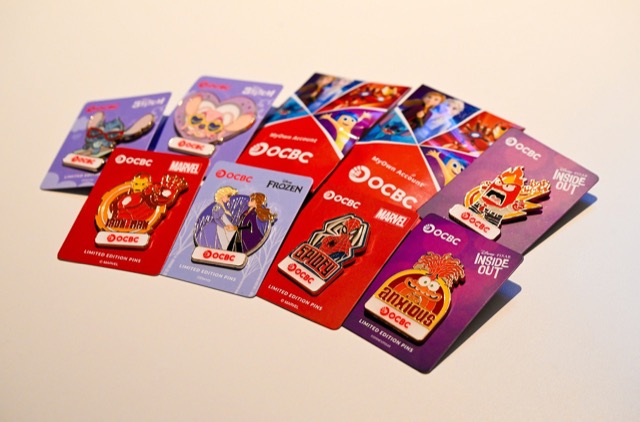
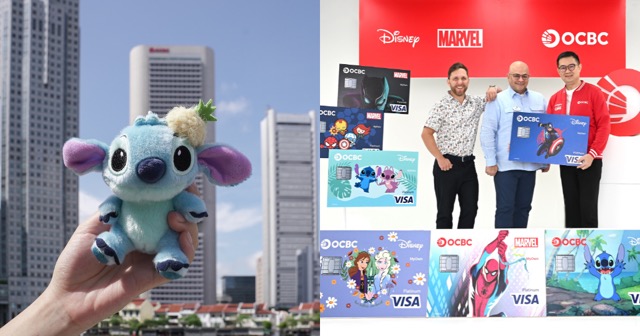
Card designs, pins & the Ralph & Vanellope literacy comics.
Wisma Atria, 20 Oct 2024
Minister of State, Group CEO & Disney meet-and-greets.
Meta & Google
Straits Times digital, timed to PSLE results & Sec 1 orientation.
Native placements, MGM
Staff referral & member-get-member for the first wave.
Kid-age KOLs
Real family usage content, not straight product ads.
Bus shelters & mall screens
Neighbourhood reach in family-dense areas.
Disney, 5-yr collab
Card designs, pins & the Ralph & Vanellope literacy comics.
Wisma Atria, 20 Oct 2024
Minister of State, Group CEO & Disney meet-and-greets.
Meta & Google
Straits Times digital, timed to PSLE results & Sec 1 orientation.
Native placements, MGM
Staff referral & member-get-member for the first wave.
Kid-age KOLs
Real family usage content, not straight product ads.
Bus shelters & mall screens
Neighbourhood reach in family-dense areas.
Channels Mapped to the Funnel
Why each channel sat where it did, from first impression to repeat use.
Broad reach in family-dense neighbourhoods, plus earned media from the launch event, to get in front of parents before they're actively looking.
Performance content and real family usage videos for parents actively weighing this against MightySavers and FRANK.
Account opening stays inside the OCBC Digital app parents already trust, so it's the easiest path to signing up.
Referral incentives and ongoing literacy content keep existing customers engaged and turn them into the next wave's word of mouth.
Launch Roadmap
Marketing Materials
The creative behind the roadmap above: Disney financial-literacy content, PR and tactical creative, and the social/video assets that ran across the channel mix.
Campaign & PR Assets
Tactical creative like the Savings Challenge kept "build the habit" going post-launch, and the launch videos ran across OCBC's own social channels.
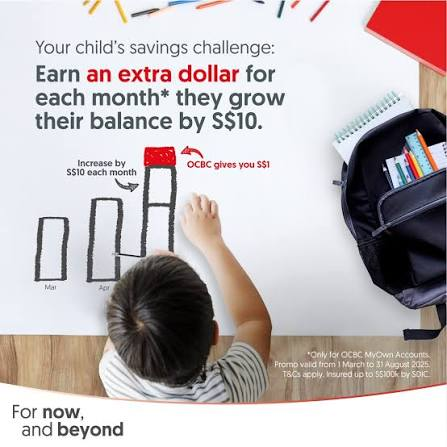
Savings Challenge — a S$10-for-S$10 match, a tactical push to build the saving habit
-
KOL, Instagram Reel KOL content, real family usage →
-
@sidehustlerich, TikTok KOL content, real family usage →
Disney Financial Literacy Program
The Ralph & Vanellope comics and activity sheets, distributed in-app and to 110 secondary schools, framed here as they'd appear in a social carousel.
 ocbc.myownaccount

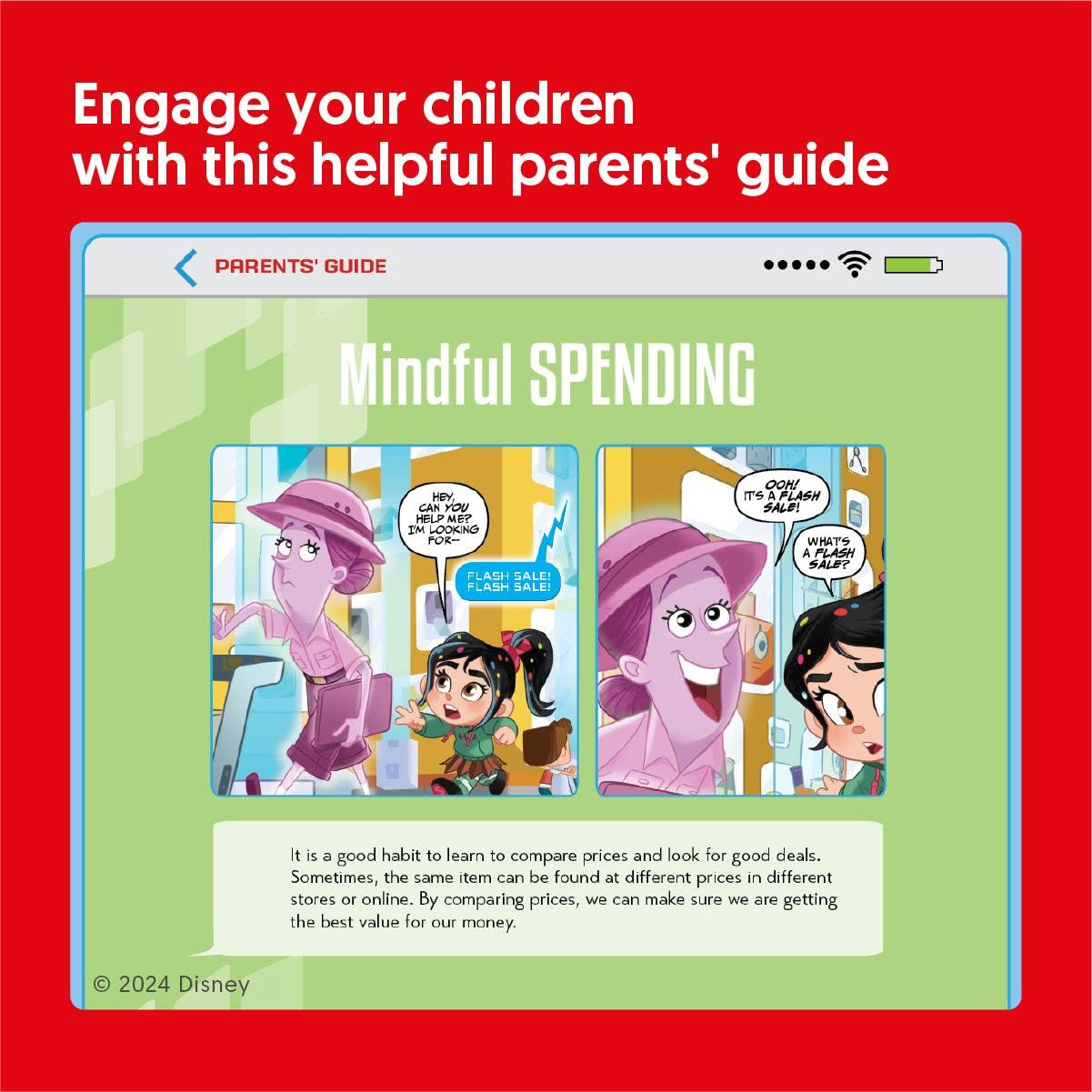

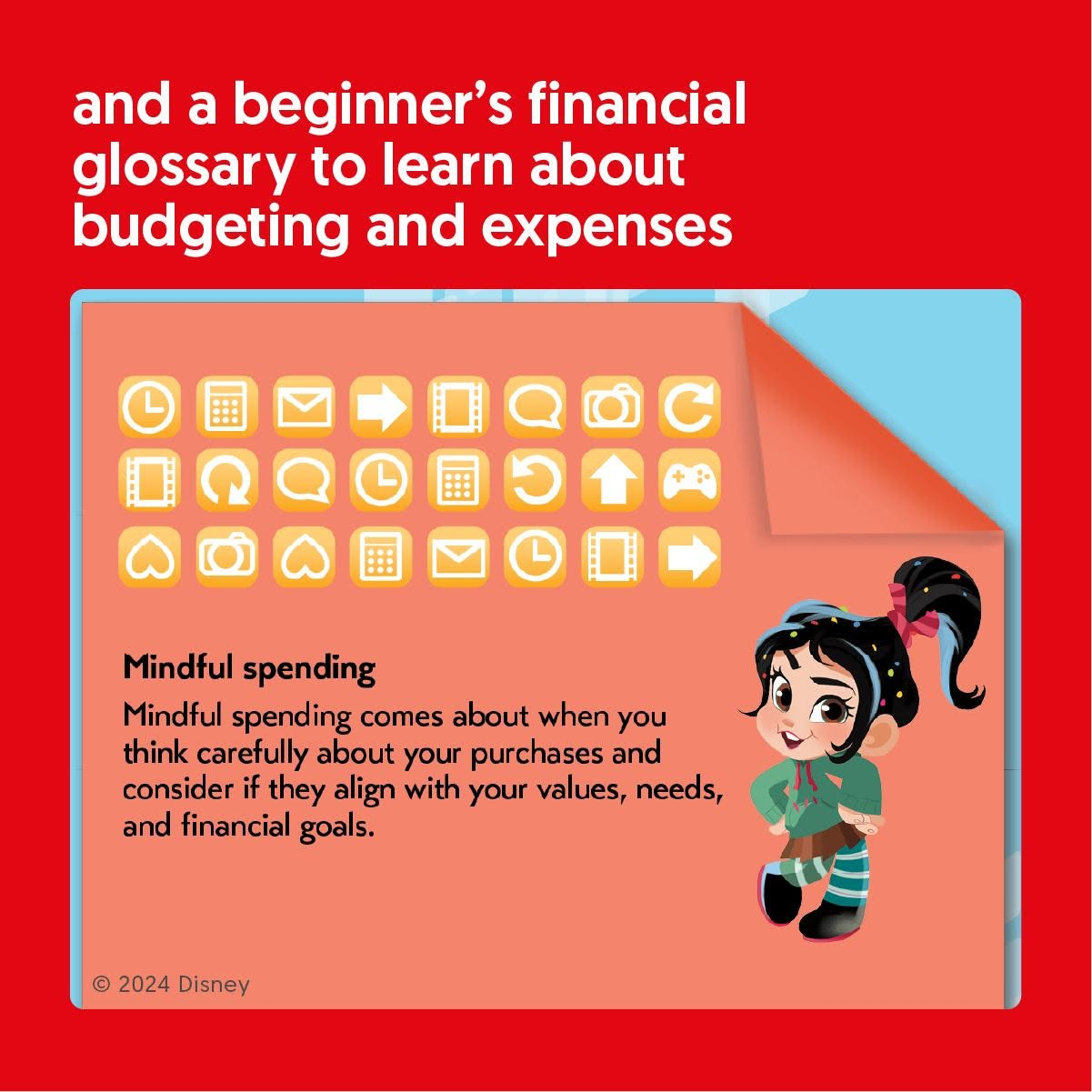
Shown in a mock Instagram frame for easy browsing, click the dots to flip through.
My Role
What I Owned
- End-to-end GTM roadmap for the launch, from pre-launch through post-launch iteration
- Channel strategy and budget allocation across the full multi-channel mix
- Direction of marketing assets across channels, adapted to be native to each platform rather than one asset reused everywhere
- Positioning and campaign narrative, including the trendjacking calendar
Cross-Functional Partners
- CX, Product & Engineering: ran customer labs together to refine the app flow and a secure, smooth parent-and-child onboarding flow
- Data & Compliance, for sizing the opportunity and understanding financial behaviour patterns among existing customers with kids in the target age range
- Creative teams & agencies, who handled platform-native asset production
- Disney partnership team, covering card designs, literacy content, and event experience
Results
Recognition
The secure, parent-and-child onboarding flow that came out of those customer labs went on to win two industry awards in 2025.
Best Savings Account (Minors), 2025
Banking Innovation Award, 2025
Constraints We Navigated
This is a live, regulated product at a licensed bank, so every guardrail (spend limits, the parent-and-child dual view, Money Lock, Kill Switch) had to clear compliance and risk review before a single card could ship. That shaped the launch timeline as much as any creative decision did.
Press & Partners
As covered by the outlets and official newsrooms behind the launch.
-
 OCBC Newsroom OCBC MyOwn Account officially launches →
 -
-
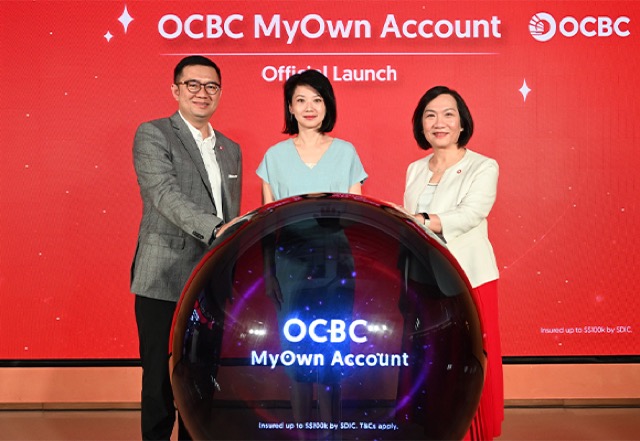 Ministry of Home Affairs Speech by Ms Sun Xueling at the launch of OCBC MyOwn Account →
 -
-
Asian Banking & Finance OCBC launches MyOwn bank account for children and teenagers →
Behind the Scenes
A few moments from the launch and the win that followed.
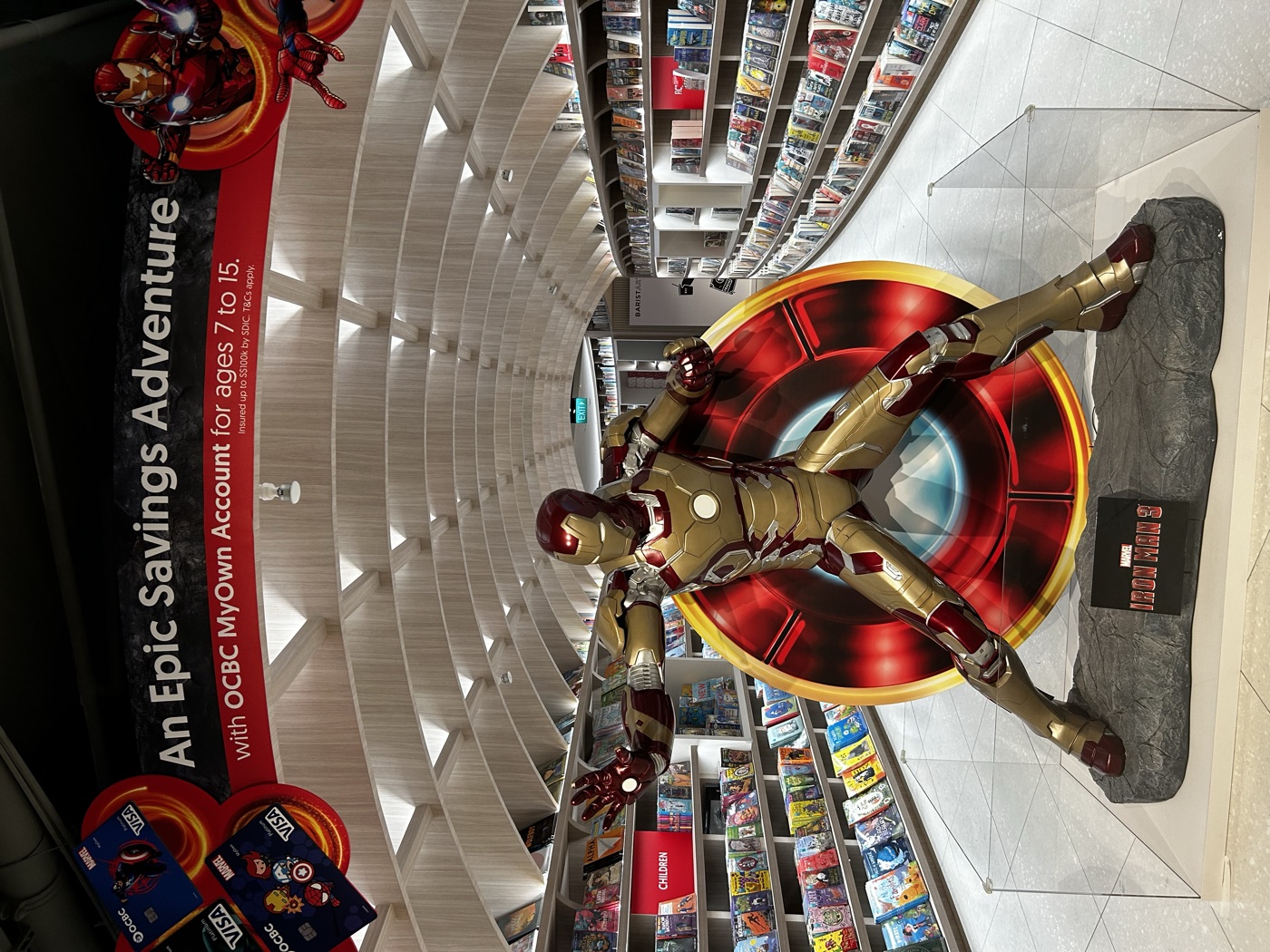
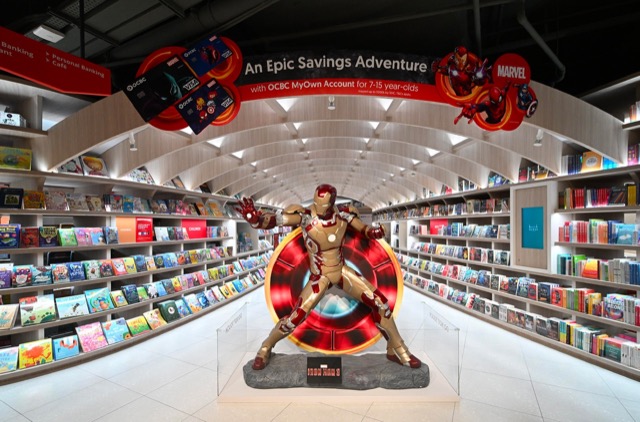
In-store activation for the launch

With the Disney partnership team on launch day

Accepting the Marketing Excellence Award, 2025
Footnotes
- 1 UOB Junior Savers: the card is a PLUS/NETS ATM and EFTPOS card only, issued from age 15 with a signature update required at a branch, so it's not a full Visa/Mastercard debit card for general in-store or online purchases. UOB TMRW does offer balance and unusual-transaction alerts, but a Junior Savers-specific freeze/lock feature wasn't confirmed. ↩
- 2 Standard Chartered First$aver: a proper Visa/Mastercard debit card, but only issued from age 13, with cashback capped at S$60/month. This one also came after us: the earliest indexed version of its product page dates to Nov 2024, about a month after our Oct 2024 launch. Parent controls rely on Money Lock, a general Standard Chartered anti-scam feature rather than something built specifically for this account, plus a low default S$100/day spend limit. ↩
- 3 POSB Smart Buddy: a tap-to-pay wearable linked to a parent's POSB account, accepted only at participating school canteens and merchants, not a standalone deposit account, debit card, or general payment network. Its Savings Goals feature builds a saving habit, but isn't a structured literacy curriculum. ↩
- 4 Kakao Bank Mini: a prepaid card (not a deposit account) issued in the child's own name from age 7, with guardian consent required under 14. Closest in age band to MyOwn Account of anything we found. It's domestic-only: it explicitly can't be used at merchants billing in foreign currency, so no overseas or general online (non-Korean) acceptance. Real-time parental monitoring is confirmed; whether locking the card is parent- or child-initiated wasn't clear from available sources. Its "savings pots" are a naming/gamification feature, not educational content. ↩
- 5 Revolut Kids & Teens (ages 6–17): Revolut's own marketing describes it as a prepaid card tied to the parent's Revolut account, not a separate deposit account in the child's name. Its financial-education material is parent-facing blog content, not built into the child's own app experience. ↩